Full Property Inspection
Interior and exterior walk-through with a flashlight, inspection mirror, borescope camera, and thermal imaging camera. You get a written summary of every entry point and active run we find.
Rodent Removal in Arizona means more than setting a few traps and hoping. We find where roof rats, pack rats, and mice are getting in, pull them out, seal the structure, and clean up what they left behind. Whether you hear scratching at 2 a.m. in Yuma or find droppings in a Marana pantry, our licensed technicians handle the whole job in one visit.
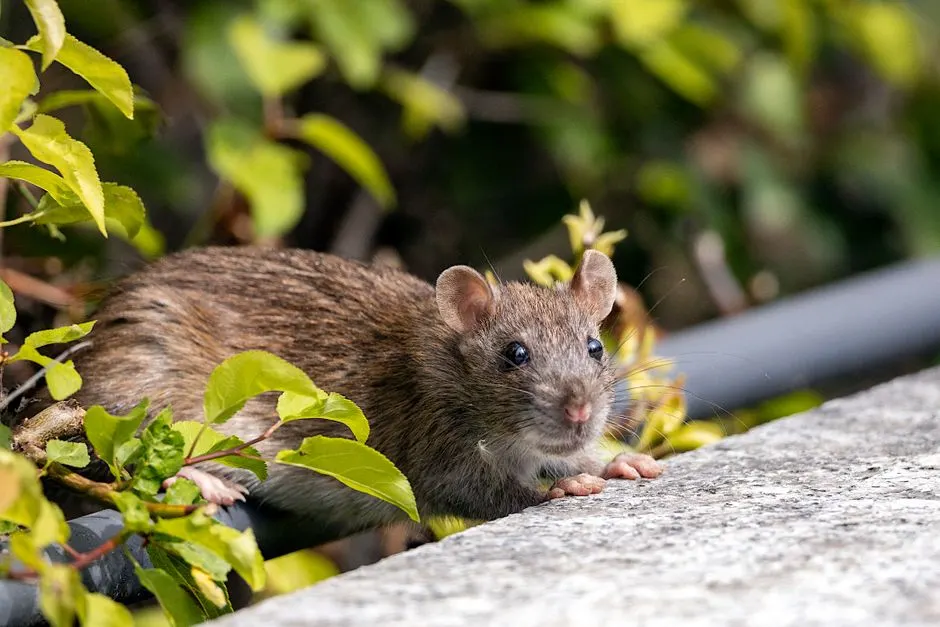
Rodent Removal in Arizona is the full process of eliminating an active rat or mouse population from a structure, then physically blocking the routes they used to get inside. It starts with a room-by-room inspection: attic, crawlspace, garage, kitchen, and exterior perimeter. We use a flashlight and inspection mirror to check eaves and vents, a borescope camera to look inside wall voids, and a thermal imaging camera to spot warm bodies behind drywall. Then we trap, remove, seal, and decontaminate.
Arizona homes give rodents plenty of ways in. Roof rats run power lines and palm fronds onto tile roofs; pack rats build nests under sheds and in cholla piles; mice squeeze through gaps the width of a pencil. Monsoon season pushes them indoors, and winter cold does the same in higher country. If you have heard scratching noises at night or found rodent droppings in the attic, you are not imagining it. Arizona rodent removal near me searches spike every October for a reason.
Every job includes inspection, trapping, exclusion, and cleanup as standard. We do not nickel-and-dime you for the basics. Here is what is covered, and what we quote separately when the scope calls for it.
Interior and exterior walk-through with a flashlight, inspection mirror, borescope camera, and thermal imaging camera. You get a written summary of every entry point and active run we find.
Victor snap traps, Catchmaster glue boards, live catch traps, and tamper-resistant bait stations placed along the runs rodents actually use. Traps are checked every three to five days, and carcasses are removed on every visit.
Copper mesh, steel wool, hardware cloth, exclusion sealant, and foam sealant applied to every gap we can reach. This is the step that stops the next infestation, and it is warrantied.
Droppings are bagged and removed, then surfaces are treated with disinfectant and enzyme cleaner to kill pathogens and neutralize rodent urine odor. Dropping bags, gloves, and respirators are standard on every cleanup.
When attic insulation is saturated with urine or packed down by nesting, we pull it and replace it. Quoted separately because the cost depends on square footage and material.
We return on a fixed schedule until activity stops. If rodents chew back through a point we sealed, we fix it under warranty at no charge.
You tell us what you are hearing, seeing, or smelling. We ask about the building age, roof type, and where the activity is concentrated. That call takes five to ten minutes and lets us load the right traps and exclusion materials before we roll.
On site, we walk the exterior and interior. We check the roof line, vents, utility penetrations, garage corners, and attic. Expect 45 to 90 minutes depending on square footage. You get a written summary of every entry point and every active run we find.
We set Victor snap traps, Catchmaster glue boards, and tamper-resistant bait stations in the areas rodents are actually using. Traps get checked on a set schedule, usually every three to five days, until activity stops. We remove carcasses on every visit.
Once the population is down, we close the doors they came through. Copper mesh and steel wool pack small gaps; hardware cloth covers larger openings; exclusion sealant and foam sealant close the rest. This is the step that keeps them out for good.
We remove droppings, disinfect contaminated surfaces, and treat odor with enzyme cleaner. If insulation is saturated, we pull it and replace it. You walk the job with us before we leave, and we do not consider it done until you do.
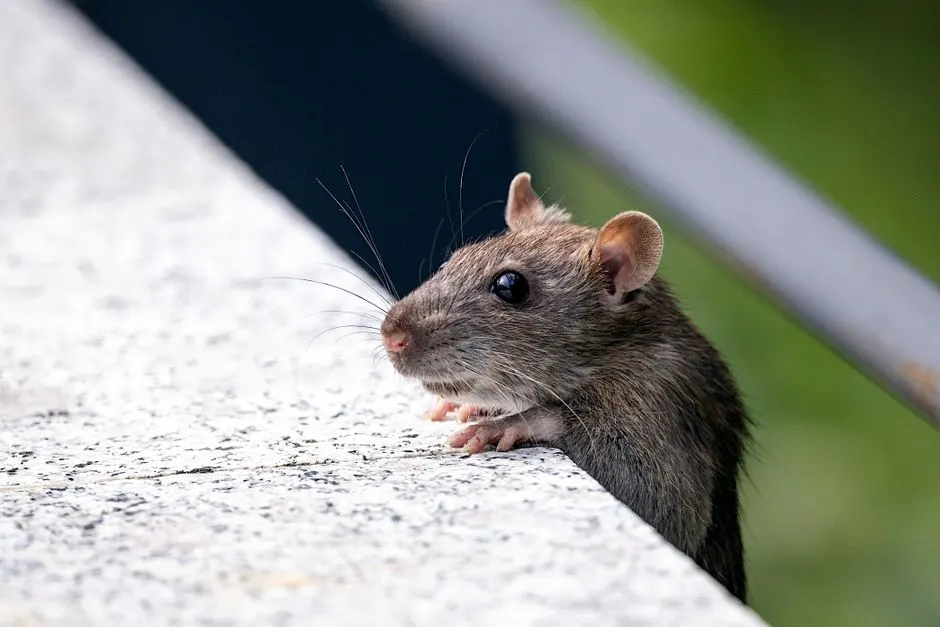
You tell us what you are hearing, seeing, or smelling. We ask about the building age, roof type, and where the activity is concentrated. That call takes five to ten minutes and lets us load the right traps and exclusion materials before we roll.
Spots warm rodent bodies behind drywall and inside wall voids where a flashlight cannot reach. Cuts inspection time and finds nests a visual check would miss.
Slides into wall cavities and duct runs to confirm activity and locate nesting sites without cutting open drywall.
Placed along the runs rodents actually travel. Snap traps handle most of the population; glue boards catch the ones that avoid the traps.
Loaded with rodenticide bait blocks from Bell Laboratories, Liphatech, or Neogen. Locked stations keep bait away from pets and children.
Used when a customer requests humane removal. We relocate according to Arizona wildlife rules.
The core exclusion materials. Copper mesh and steel wool pack small gaps; hardware cloth covers vents, crawlspace openings, and larger penetrations.

A landlord called after a tenant reported scratching above the bedroom for three weeks. Inspection found roof rat runs along the attic joists, droppings across roughly 400 square feet, and two entry points at the roof line where tiles had lifted.
After: We trapped the population down over 12 days, sealed both entry points with copper mesh and exclusion sealant, removed the droppings, and treated the attic with disinfectant and enzyme cleaner. No activity in the follow-up check.
Book this service →
Pack rats had built a nest under a shed and chewed the wiring in a parked truck. The debris pile was roughly four feet wide and full of cholla spines, twigs, and droppings.
After: We removed the nest, trapped the rats over eight days, and sealed the shed skirt with hardware cloth. The truck wiring was repaired by the owner's mechanic, and no new activity has been reported.
Book this service →
A homeowner in an older adobe house found droppings in the kitchen pantry and heard scratching in the wall behind the stove. Inspection found six separate entry points along the foundation and around utility penetrations.
After: We set snap traps and glue boards along the runs, caught 11 mice over two weeks, and packed all six entry points with copper mesh and steel wool. Pantry was disinfected and restocked.
Book this service →Rodents cause damage long before most people notice them. By the time you hear scratching or smell something off, the work has been going on for weeks. Here are the problems we run into most and how we handle them.
Ask a pro →We inspect the attic with a thermal imaging camera, identify the runs and entry points, set traps along the paths they use, and seal the roof line gaps they squeezed through. Most customers hear nothing within a week.
We bag and remove droppings, apply disinfectant and enzyme cleaner to affected surfaces, and replace saturated insulation. You get a clean attic and a house that does not smell like rodents.
We trap the population down, then seal the garage, shed, and engine-compartment access points with hardware cloth and exclusion sealant. We also clear the debris piles that give rodents cover.
We pack small gaps with copper mesh and steel wool, cover larger openings with hardware cloth, and seal the rest with exclusion sealant and foam. Every sealed point is documented and warrantied.
$250 - $850 for standard residential trapping and exclusion; $650 - $2,300 when attic decontamination and insulation replacement are included
Pricing depends on the size of the infestation, the number of entry points, and whether attic cleanup is needed. We quote by scope, not by the hour, so the number you get is the number you pay. Typical 2026 residential jobs run $250 to $850 for trapping and exclusion, with attic decontamination adding $400 to $1,500. Commercial and multi-unit properties are quoted separately. Our rodent removal company Arizona pricing is built to be honest, and we will tell you upfront if a job is smaller than you think.
You are paying for a permanent fix, not a temporary trap. The exclusion work is warrantied, the cleanup is done to a standard you can inspect, and the price is locked before we start. That is what makes the cost worth it.
A single mouse in the garage is a different job than a roof rat colony in the attic. More animals means more traps, more visits, and a longer trapping window.
Get a quote ↗Every gap we seal takes time and material. Homes with six or more entry points cost more to exclude than homes with two, and the exclusion work is what makes the fix permanent.
Get a quote ↗Single-story homes with a walk-in attic are faster to work than two-story homes with a small scuttle hatch. Steep tile roofs take longer to inspect and seal safely.
Get a quote ↗Light droppings need a basic disinfectant pass. Saturated insulation and heavy urine odor require removal, disposal, and replacement, which is the biggest single cost variable.
Get a quote ↗“We heard scratching above the bedroom for two weeks before I called. The tech found three entry points along the roof line, set traps, and sealed everything in one visit. Droppings were gone, attic smelled clean, and we have not heard a thing since. Worth every dollar.”
Dana R.Homeowner, Marana
✓ Verified“I manage four rentals and had mice in two of them at once. They came out same day, quoted both units, and had traps down before dark. Follow-up visits were on schedule and the invoice matched the quote exactly. I use them for all my properties now.”
Marcus T.Property Manager, Yuma
✓ Verified“Pack rats had built a nest under our shed and chewed the wiring in my husband's truck. They pulled the nest, trapped the rats, and sealed the shed skirt with hardware cloth. Truck is fixed, shed is clear, and they showed us how to keep the brush trimmed back.”
Elaine P.Homeowner, Lakeside
✓ VerifiedMost residential jobs run $250 to $850 for trapping and exclusion, with attic decontamination adding $400 to $1,500 depending on square footage. Typical 2026 pricing in Arizona reflects travel distance, roof height, and how many entry points we find. You get a written number before we start, so there is no surprise on the invoice.
Trapping usually takes one to three weeks, with visits every three to five days. Exclusion and sealing happen in a single day, typically four to eight hours. Attic cleanup adds another half day. You will know the schedule on day one and we stick to it.
If you have found droppings, heard scratching at night, or smelled rodent urine odor, yes. Store-bought traps catch the one or two rodents you see, not the colony behind the wall. Professional rodent removal Arizona technicians find and seal the entry points that keep the problem coming back.
Yes. We use live catch traps from Havahart and JT Eaton when a customer requests humane removal, and we relocate according to Arizona wildlife rules. For most infestations, snap traps and bait stations are faster and more effective, and we will walk you through both options before we set anything.
Our Arizona rodent removal crews run routes across the entire state, from the Colorado River to the New Mexico line. That means the same licensed technicians, the same warrantied exclusion work, and the same upfront pricing whether you are in a Yuma subdivision or a remote property near Supai. Here are some of the communities we serve regularly.
Desert heat pushes roof rats and pack rats into garages and crawlspaces. We run same-day calls and focus exclusion on low entry points and utility penetrations.
↗ 02 WillcoxAgricultural surroundings mean pack rats in outbuildings and hay storage. We clear nests, trap the population, and seal shed skirts with hardware cloth.
↗ 03 Valley FarmsRural lots along the Gila River corridor attract pack rats and mice. We handle trapping, exclusion, and attic cleanup for homes on larger acreage.
↗ 04 TonaleaRemote Navajo Nation location where travel time matters. We schedule full-day visits to complete inspection, trapping, and exclusion in one trip.
↗ 05 SupaiAccessible only by trail or helicopter, so we plan jobs carefully. Trapping and exclusion are completed in a single extended visit to avoid return trips.
↗ 06 Skull ValleyOpen ranch country with heavy pack rat pressure. We seal barns, sheds, and homes with copper mesh and hardware cloth built to last.
↗ 07 SasabeBorder-area homes deal with mice moving in from open desert. We pack foundation gaps with steel wool and seal utility penetrations.
↗ 08 Saint DavidRural Cochise County properties see roof rats in mature trees. We trim back limbs, seal roof line gaps, and trap the active population.
↗ 09 RimrockHigh desert elevation brings mice indoors each fall. We run pre-winter exclusion jobs to seal gaps before the cold snap hits.
↗ 10 PolaccaHopi Reservation community where we schedule extended visits. Full inspection, trapping, and exclusion completed in one trip.
↗ 11 PeridotSan Carlos area homes deal with pack rats and mice year-round. We clear debris piles and seal entry points with warrantied exclusion work.
↗ 12 OvergaardMogollon Rim cabin country where mice invade in October and November. We seal cabins before winter and trap any active population.
↗ 13 MorristownRural Maricopa County properties with outbuildings and livestock. We handle pack rat nests, shed sealing, and attic cleanup.
↗ 14 MaranaFast-growing corridor with new construction and older homes side by side. We seal roof line gaps and run same-day trapping for active infestations.
↗ 15 LakesideWhite Mountain community where cold winters drive mice indoors. We offer fall prevention visits and full attic decontamination when needed.
↗Scratching in the walls does not fix itself. Call (855) 692-0614 and we will schedule an inspection, quote the job upfront, and get traps set fast. Licensed, insured, and warrantied across Arizona.
Schedule Inspection (855) 692-0614 →Call (855) 692-0614 or email [email protected] and we will get a licensed tech scheduled. We answer the phone 24/7 for emergency rodent calls and book standard inspections Monday through Friday. Most Arizona metro calls get a same-day or next-day visit.